
 By
By 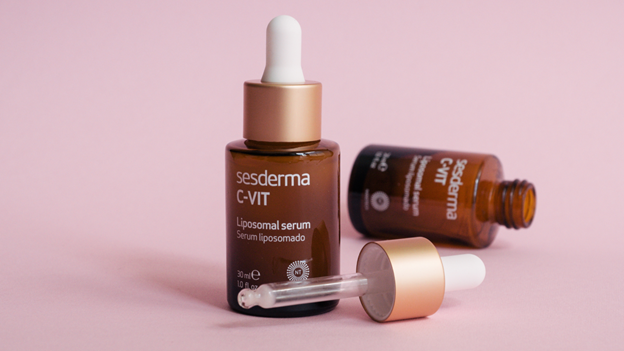
With thousands of skincare products lining the shelves—and even more trending on social media—it can be overwhelming to know what’s truly effective and what’s just hype. While clever marketing may convince you that you need a 10-step routine, dermatologists often recommend focusing on tried-and-true ingredients that actually work.
Below are nine skincare ingredients that dermatologists consistently stand behind. Whether you’re building a beginner routine or refining an advanced one, these ingredients offer proven benefits for healthier, more radiant skin.
1. Retinol (Vitamin A Derivative)
One of the most studied skincare ingredients, retinol is a form of vitamin A that helps speed up cell turnover and boost collagen production. It’s commonly used to treat acne, reduce fine lines, and improve skin texture.
Why dermatologists approve it: Decades of research back its ability to reduce signs of aging and unclog pores. While it can be irritating at first, gradual use builds tolerance over time and delivers long-lasting results.
2. Vitamin C (Ascorbic Acid)
Vitamin C is a powerful antioxidant that helps protect skin from environmental damage, reduce hyperpigmentation, and brighten the complexion. It also supports collagen synthesis, which keeps the skin firm and youthful.
Why dermatologists approve it: It’s a gold-standard ingredient for combating dullness and uneven tone. Dermatologists recommend using it in the morning under sunscreen for maximum protection against free radicals.
3. Niacinamide (Vitamin B3)
Niacinamide is a versatile, gentle ingredient known for reducing inflammation, controlling oil production, minimizing the appearance of pores, and improving skin texture.
Why dermatologists approve it: It plays well with most other ingredients and is suitable for all skin types—including sensitive skin. It also strengthens the skin barrier, making it a favorite for people dealing with redness or irritation.
4. Hyaluronic Acid
Naturally found in the skin, hyaluronic acid is a humectant that attracts and holds water, helping to hydrate and plump the skin. It’s often included in serums and moisturizers.
Why dermatologists approve it: It delivers a noticeable boost in hydration without clogging pores or causing breakouts. It’s especially helpful in dry or aging skin routines and layers well with other actives.
5. Salicylic Acid (Beta Hydroxy Acid)
Salicylic acid is a beta hydroxy acid (BHA) that penetrates deep into pores to dissolve excess oil and exfoliate dead skin cells. It’s a top choice for acne-prone and oily skin.
Why dermatologists approve it: Its ability to reduce blackheads, whiteheads, and inflammation makes it a staple in acne treatment. It’s also less irritating than some harsher exfoliants when used correctly.
6. Glycolic Acid (Alpha Hydroxy Acid)
Derived from sugarcane, glycolic acid is an alpha hydroxy acid (AHA) that exfoliates the outer layer of skin to reveal a fresher, smoother layer beneath. It’s often used to treat uneven tone, fine lines, and sun damage.
Why dermatologists approve it: Glycolic acid’s small molecular size allows it to penetrate deeply, making it particularly effective at renewing skin. However, it should be used with caution and followed by sunscreen.
7. Zinc Oxide
Zinc oxide is a mineral-based ingredient used in physical sunscreens. It forms a protective barrier on the skin’s surface to reflect UVA and UVB rays.
Why dermatologists approve it: It offers broad-spectrum sun protection without irritating sensitive skin or causing breakouts. Plus, it’s reef-safe and effective immediately after application.
8. Ceramides
Ceramides are lipids (fats) that occur naturally in the skin and help form the skin’s barrier, locking in moisture and protecting against irritants.
Why dermatologists approve it: Ceramides are essential for repairing the skin barrier, especially in people with dry, sensitive, or eczema-prone skin. They’re often found in moisturizers designed to support long-term skin health.
9. Azelaic Acid
Azelaic acid is a lesser-known but highly effective multitasker. It has anti-inflammatory, antimicrobial, and exfoliating properties, making it ideal for treating acne, rosacea, and pigmentation.
Why dermatologists approve it: It’s gentler than many other actives but still powerful enough to tackle stubborn skin issues. It also helps reduce post-acne marks and redness without causing irritation in most users.
The Importance of Ingredient-Driven Skincare
When it comes to choosing effective skincare, it’s not about the brand name or the packaging—it’s about the ingredients. Many products on the market contain fillers, fragrances, or trendy ingredients with little scientific support. That’s why it’s important to build your routine around ingredients that are backed by research and approved by professionals.
Dermatologists often recommend simplifying your routine and focusing on quality over quantity. Consistency is key. You don’t need every ingredient listed above, but incorporating a few targeted actives that suit your skin type and concerns can yield major improvements.
If you’re unsure where to start or how to combine these actives, consult a skincare professional. A medical dermatologist can help you identify what your skin actually needs and recommend high-quality dermatology productsthat deliver real results.
Good skincare isn’t about trends—it’s about science. By sticking to proven ingredients like retinol, vitamin C, and hyaluronic acid, you give your skin the support it needs to thrive. Whether your goals are anti-aging, hydration, or acne control, these dermatologist-approved ingredients offer a smart, effective foundation for any skincare regimen.









Comments