
 By
By 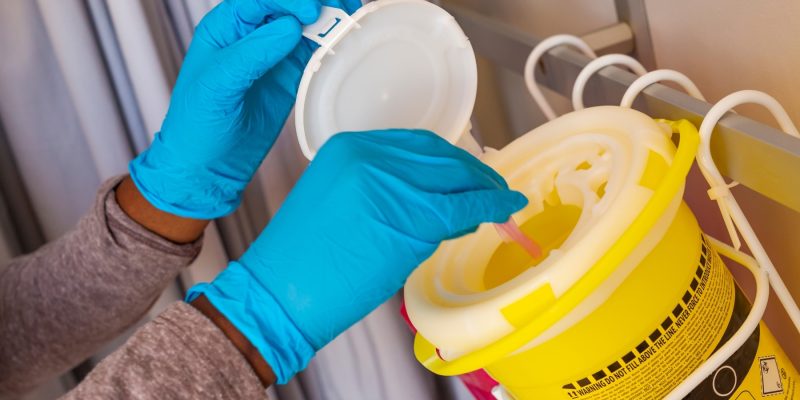
Proper handling of medical waste is essential for keeping healthcare facilities safe and protecting the environment. Hospitals, clinics, and laboratories produce a variety of hazardous materials that can harm people and nature if not managed correctly. Medical waste disposal ensures that these materials are collected, treated, and destroyed safely. Following strict protocols reduces risks, protects staff and patients, and prevents contamination. Responsible disposal also demonstrates commitment to health standards and environmental protection in every healthcare setting, promoting long-term safety and community trust consistently.
Find below five risks of improper medical waste disposal.
Spread of infections
One of the most serious risks of improper medical waste disposal is the spread of infections. Contaminated needles, blood, and other biohazardous materials can transmit dangerous pathogens to staff, patients, and the public. Proper disposal prevents exposure and keeps everyone safe.
Environmental pollution
Incorrect disposal methods can release harmful chemicals and infectious materials into soil, water, and air. This pollutes the environment and affects ecosystems. Safe medical waste management reduces environmental contamination and protects communities living near healthcare facilities, ensuring long-term health, safety, and sustainable environmental practices for everyone.
Injury risks to staff and waste handlers
Medical waste often includes sharp objects, broken glass, and needles. Improper handling can lead to accidental cuts or punctures, putting staff and waste collectors at risk. Following strict disposal guidelines ensures safety for everyone involved in the process, preventing injuries, infections, and long-term health complications effectively.
Legal consequences
Healthcare facilities are legally required to follow proper waste management rules. Failing to comply can result in fines, penalties, or legal action. Adhering to disposal protocols protects the facility from legal risks and maintains its reputation, ensuring trust with patients, staff, regulators, and the surrounding community while promoting overall safety and accountability.
Community health risks
Improper disposal can affect the broader community. Children, scavengers, and residents near waste sites may come into contact with hazardous materials. Proper disposal reduces these risks, safeguarding public health and fostering trust between healthcare providers and the community, while also preventing long-term environmental damage, disease outbreaks, and promoting overall safety and well-being for everyone nearby.
To conclude
Proper medical waste disposal is vital to prevent the spread of infections, protect the environment from contamination, and ensure the safety of healthcare staff. It also helps avoid legal penalties and safeguards surrounding communities. Strict adherence to protocols in hospitals, clinics, and laboratories promotes overall health, safety, and environmental responsibility.




Comments