
 By
By 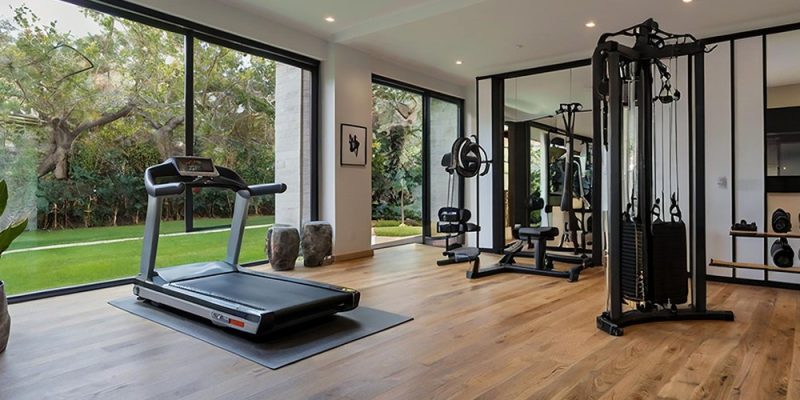
Key Takeaways
- Fitness goals should shape the type of exercise machine chosen, not trends or price alone
- Space, noise levels, and storage matter just as much as workout features in Singapore homes
- Different machines support different outcomes, from weight loss to strength or rehab
- Long-term comfort and consistency matter more than flashy specs
- The right supplier can help match lifestyle needs with practical equipment choices
Choosing an exercise machine can feel strangely overwhelming. Rows of treadmills, bikes, rowers, and multi-gyms all promise better health, more energy, and faster results. Yet, without a clear sense of direction, it is easy to end up with equipment that gathers dust rather than sweat. For many households, especially in Singapore, the challenge is not motivation but fit. Fit with goals, fit with space, and fit with daily routines.
Starting With the “Why” Before the Machine
Every fitness journey begins with intent, whether that intent is weight control, muscle tone, rehabilitation, or simply moving more after long workdays. An exercise machine in Singapore often needs to serve more than one purpose. It might support early morning cardio while staying quiet enough not to disturb neighbours, or offer low-impact movement for older family members.
Cardio-focused goals usually point towards treadmills, exercise bikes, or elliptical trainers. Strength-focused goals lean towards resistance machines or compact multi-gyms. Rehabilitation or joint care might favour rowing machines or recumbent bikes. None of these choices is wrong, but mismatching goals and equipment leads to frustration. And frustration tends to kill consistency.
Space, Noise, and the Reality of Home Living
Singapore homes are practical spaces. That reality shapes buying decisions more than glossy brochures ever could. Floor area, ceiling height, and storage options should guide the shortlist early on. A full-sized treadmill might look impressive, but folding models often make more sense in flats where living rooms double as workout zones.
Noise is another quiet deal-breaker. Machines with smoother motors and stable frames matter when workouts happen before sunrise or after long evenings. This is why many people exploring exercise equipment for home start by testing machines in person rather than buying blindly online. A quick walk or ride can reveal more than a page of specifications.
Matching Machines to Daily Habits
An underrated factor is habit. Some people love structured workouts; others prefer short bursts between meetings or while watching television. The best exercise equipment for home is the one that blends into daily life rather than disrupting it.
Rowing machines suit those who enjoy rhythm and full-body engagement. Exercise bikes work well for casual movement while scrolling through news or catching up on shows. Strength machines reward focused sessions but ask for commitment. The most effective machine is not always the most powerful one. It is the one that feels easiest to return to.
Comfort Is Not a Luxury
Features such as handles, seat padding, stride length, and resistance smoothness; these details decide whether a machine feels welcoming or punishing. Comfort encourages longer sessions and repeated use. Over time, this matters more than peak resistance levels or advanced displays.
Local climate also plays a role. Sweat management, easy-clean surfaces, and corrosion-resistant parts matter in humid conditions. These are practical considerations that often get overlooked, yet they shape long-term satisfaction with an exercise machine in Singapore.
Technology, Trends, and a Touch of Restraint
Smart screens, app connectivity, and virtual classes are appealing, especially as hybrid fitness trends continue to grow. However, technology should support habits, not complicate them. A simple console that tracks time and heart rate may outperform a complex system that demands constant updates.
There is also value in balance. Some users enjoy immersive training apps, while others prefer straightforward controls. Neither approach is superior. What matters is how naturally the machine fits into existing routines.
Budgeting With the Long View in Mind
Price matters, but value matters more. Cheaper machines can work well for light use, while frequent training benefits from sturdier builds and better warranties. Maintenance, servicing, and spare parts availability should be part of the decision, especially when investing in exercise equipment for the home meant to last years, not months.
Conclusion
Choosing the right exercise machine is less about chasing perfection and more about finding alignment with daily life. When goals, space, comfort, and habits come together, workouts feel less like obligations and more like small wins stacked over time. For those ready to make a confident choice, speaking with a trusted supplier can help narrow options and avoid costly missteps. Get in touch with OTO Wellness today to explore equipment that fits real goals, real homes, and real routines.







Comments