
 By
By 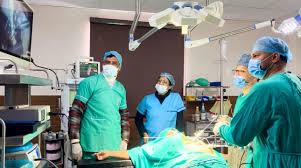
A laparoscope, a tiny, illuminated tube with a camera, is used in laparoscopic surgery, commonly referred to as keyhole surgery, to enable doctors to view within the body without making significant incisions. This method lessens the danger of infection and scarring while also reducing postoperative pain and recovery time for patients. The need for surgeons proficient in laparoscopic procedures has increased in a number of medical disciplines due to the substantial advantages.
It is evident why laparoscopic training at a laparoscopic training center has become crucial: it gives surgeons the knowledge and self-assurance they need to carry out these complex procedures in a safe and efficient manner. Laparoscopic surgery training is now an essential part of surgical education, whether in gynecology, urology, or general surgery. This ensures that surgeons are ready to satisfy patient expectations and modern healthcare standards.
Laparoscopic Training by the Laparoscopic Training Center: What Is It?
The term “laparoscopic training” describes specialized instruction intended to teach surgeons how to use a laparoscope-a thin, flexible tube with a camera and light-to perform minimally invasive surgery. The goal of this training is to develop laparoscopic abilities that minimize surgical problems, improve precision, and shorten recovery times for patients.
From simple diagnostic procedures to intricate operations in disciplines including gynecology, urology, and general surgery, laparoscopic training encompasses a wide range of procedures. Through tiny incisions, trainees learn how to manipulate tissue precisely, navigate 3D anatomy on 2D screens, and manage equipment.
The Main Advantages of Laparoscopic Training for Surgeons
For contemporary surgeons hoping to succeed in minimally invasive treatments, laparoscopic skills training has become crucial. The lower learning curve in actual surgeries is one of the main benefits of laparoscopic surgery training programs. Surgeons become more accustomed to the specialized tools and methods through controlled practice, which makes real procedures safer and more efficient.
The improvement of hand-eye coordination and accuracy is another important advantage. During laparoscopic surgery, tiny incisions must be made while the surgical site is monitored on a screen. A surgeon’s ability to accurately coordinate motions is improved by training, which also lowers the risk of complications and improves dexterity.
Benefits focused on the patient are also noteworthy. Due to reduced post-operative pain, smaller scars, and faster recovery times, laparoscopic surgeons typically have greater patient satisfaction rates. A surgeon’s professional credibility and career prospects are enhanced by finishing laparoscopic surgery training courses.










Comments