
 By
By 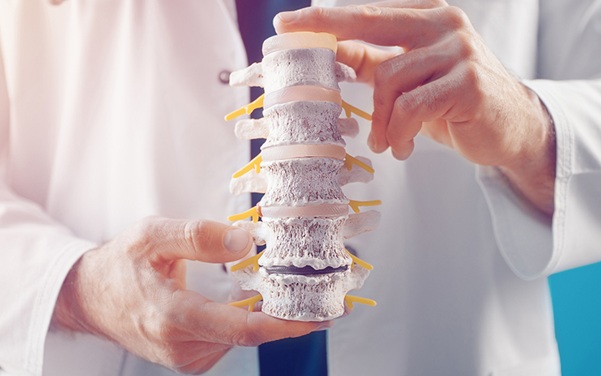
Back pain is an extremely common ailment, but it is important to understand that the vast majority of cases do not require surgery and can be resolved with conservative treatments like physiotherapy and rest. Surgical intervention is typically reserved for situations where there is a specific, identifiable structural problem within the spine that is causing severe pain or neurological symptoms. The goal of orthopaedic surgeries in this area is not to treat general back pain, but to correct a physical issue. Understanding these key conditions is the first step in learning why spine surgery may be recommended as a necessary and effective treatment.
1. Herniated Disc
Frequently called a ‘slipped’ or ‘ruptured’ disc, a herniated disc is a prevalent issue that can lead to considerable discomfort. The vertebrae in the spine are separated by soft, gel-like discs that provide cushioning. A herniation happens when the soft inner substance of a disc protrudes through a break in its sturdy outer layer, frequently exerting pressure on the spinal cord or adjacent nerves. This pressure may lead to sciatica, characterised by a sharp, radiating pain along the leg, along with numbness, tingling, or weakness in the affected limb. If these symptoms are intense and do not improve with non-operative therapies, spinal surgery, like a discectomy to excise the herniated part of the disc, might be necessary to alleviate the nerve pressure.
2. Spinal Stenosis
Spinal stenosis is a condition characterised by the narrowing of the spinal canal, the space through which the spinal cord and nerve roots travel. This narrowing is most often caused by age-related wear and tear, such as the overgrowth of bone from osteoarthritis. As the space within the canal decreases, it can squeeze and compress the nerves. Patients with spinal stenosis typically experience pain, cramping, or numbness in the legs and lower back that worsens when standing or walking. The symptoms often improve when leaning forward or sitting down, as this posture temporarily opens up the spinal canal. When stenosis significantly impacts a person’s mobility and quality of life, surgical procedures like a laminectomy are performed to remove bone and create more space for the nerves.
3. Spondylolisthesis
Spondylolisthesis is a condition in which one of the vertebrae in the spine slips forward out of position over the vertebra below it. This slippage can be caused by a degenerative condition, a stress fracture in the bone, or a traumatic injury. When the vertebra moves, it can lead to instability in the spine and can compress the nerve roots exiting the spinal column at that level. This results in persistent lower back pain and often radiating pain into the legs. Many cases of spondylolisthesis are mild and do not require an operation. However, when the slip is severe and causes significant, debilitating pain or neurological symptoms, various types of orthopaedic surgeries, most commonly a spinal fusion, are performed to stabilise the spine and alleviate the nerve pressure.
Conclusion
It is essential to distinguish between general back pain and pain originating from a specific structural defect. Conditions like a herniated disc, spinal stenosis, and spondylolisthesis are distinct anatomical problems that can lead to severe and persistent symptoms. In these cases, where conservative treatments have failed to provide relief, spine surgery becomes a targeted solution aimed at correcting the underlying structural issue to relieve nerve compression and restore stability. An accurate diagnosis from an orthopaedic specialist is the most critical step in determining the true source of the pain and the most appropriate treatment path. To book an evaluation with a spine specialist or discuss surgical and non-surgical options for structural back conditions, contact the National University Hospital (NUH)




Comments