
 By
By 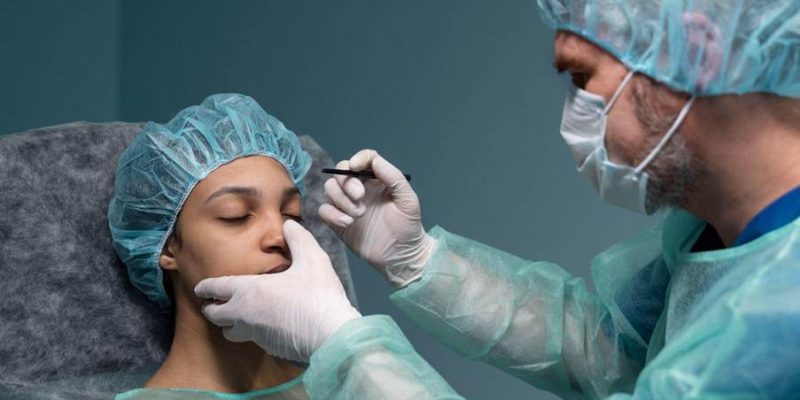
Chronic sinusitis can feel like a blocked road during rush hour. The traffic of mucus builds up, the pressure mounts, and relief seems miles away. While sprays and tablets often get the traffic moving again, some blockages refuse to budge. That is when surgery steps into the spotlight as a practical path forward. Knowing when to consider it can clear the confusion as much as it clears your sinuses.
When Non-Surgical Treatments Fall Short
Most cases of sinusitis respond to medical care. Doctors often prescribe saline rinses, nasal steroid sprays, or short courses of antibiotics when infection lingers. These measures can ease swelling and open nasal passages, but they are not a permanent fix if the underlying structure causes repeated blockages. When these methods fail after several months, it may be time to explore more direct approaches.
A sinus specialist usually makes this call after reviewing a patient’s medical history, physical examination, and imaging scans. They look for patterns, like constant congestion, repeated infections, or polyps that refuse to shrink. If your nose keeps sounding like a blocked trumpet despite multiple treatments, this is often their cue to suggest the next step.
What Happens During Sinus Surgery
Sinus surgery is a careful procedure that works from inside the nose without any dramatic external cuts. It is a precise, planned procedure done under anaesthesia. Most surgeons use a thin, flexible scope inserted through the nostrils. This allows them to remove tissue that blocks airflow, such as polyps or thickened sinus lining, and open natural drainage pathways.
The procedure typically takes one to two hours. Because it avoids external cuts, it usually leaves no visible scars. Many patients go home the same day, which helps take some of the sting out of the word “surgery.” Breathing often improves within weeks as the swelling settles down.
Why an Sinus Specialist May Recommend It
A sinus specialist does not reach for the scalpel as a first move. They recommend surgery only when evidence shows it can deliver real relief. Imaging tests may reveal clogged sinus passages, structural defects like a deviated septum, or growths that make airflow nearly impossible.
In some cases, chronic infection erodes sinus tissue and lets bacteria dig in like stubborn squatters. Clearing this infected tissue can stop the cycle. The surgeon’s goal is to create an environment where medication and the body’s natural defences can finally work as they should.
The Benefits Beyond Clear Breathing
Sinus surgery is not an end-all cure, but it can make a lasting difference. Restoring proper drainage helps reduce the build-up of mucus and bacteria, which lowers the risk of future infections. It can also reduce the pressure and headaches linked with blocked sinuses.
People often find that their sense of smell returns, which makes food taste better and life smell fresher. Sleep quality can improve too. Snoring may ease once airways stop acting like clogged plumbing. These changes can ripple into better energy levels during the day.
Life After Sinus Surgery
Recovery from sinus surgery is usually straightforward but requires discipline. Patients must avoid strenuous activity for about two weeks and attend follow-up appointments to clean out any crusting inside the nose. Saline rinses become a new daily habit to keep the passages moist and clear.
A sinus doctor will also review what triggered the problem in the first place. Managing allergies, treating reflux, or adjusting the environment may all be part of the long-term plan. Surgery clears the traffic jam, but staying in the fast lane depends on consistent upkeep.
Knowing When It Is the Right Time
Choosing surgery is never a light decision. It usually comes after months or even years of recurring sinus trouble that resists other treatments. When infections disrupt daily routines, rob you of sleep, or keep you from enjoying food and fresh air, it may be time to weigh the surgical option.
Consulting a qualified sinus doctor is key. They can explain the risks and benefits clearly, without pressure, and guide you through what to expect before and after. Having solid information can calm nerves as well as sinuses.
Clearing the Path Forward
Chronic sinusitis does not have to keep holding your nose hostage. If you are stuck in a loop of infections and congestion, it might be time to ask if surgery could be your way out. Breathing freely again can open the door to better sleep, sharper senses, and more energetic days. Contact Dr Jenica Yong to discuss your options and find out if surgery can help clear the air.






Comments