
 By
By 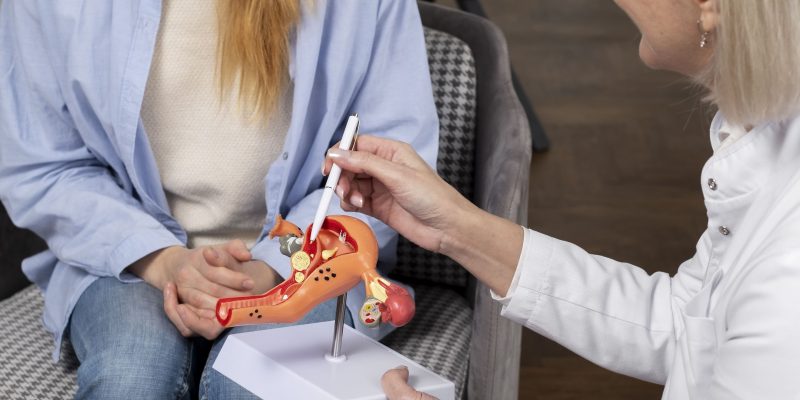
Women’s health needs are a substantial part of the workload in UK primary care. From menstrual disorders and menopause management to pelvic pain and abnormal bleeding, gynaecological presentations are common, varied, and often complex. Ensuring timely, effective, and patient-centred care requires a skilled workforce capable of recognising, managing, and escalating appropriately.
First Contact Practitioners (FCPs), already established in musculoskeletal and other areas, are increasingly contributing to women’s health provision. Understanding their competencies in gynaecological care is vital for colleagues, practice managers, and commissioners seeking to expand access and strengthen primary care pathways.
Who Are First Contact Practitioners?
FCPs are regulated clinicians — often advanced nurse practitioners, physician associates, or allied health professionals — working in primary care settings with extended skills and responsibilities. Their remit in gynaecology includes the initial assessment and management of common presentations, coupled with clear thresholds for referral into secondary care.
They are not designed to replace GPs or gynaecologists, but to complement them, reducing bottlenecks, triaging effectively, and supporting continuity of care.
Core Competencies in Gynaecological Care
- Comprehensive Clinical Assessment
FCPs are trained to conduct detailed histories, covering menstrual, sexual, obstetric, and menopausal domains. This holistic approach enables earlier identification of patterns or risk factors and helps streamline further investigation. - Examination and Investigations
Depending on training and governance arrangements, FCPs may perform pelvic and speculum examinations, take swabs, and request initial investigations such as ultrasound or blood tests. Their ability to interpret first-line results within the clinical context ensures more targeted onward referrals. - Management of Common Conditions
Heavy menstrual bleeding, vulvovaginal candidiasis, bacterial vaginosis, contraception counselling, and perimenopausal symptoms are frequently manageable within primary care. FCPs can initiate evidence-based management plans, provide education, and agree follow-up strategies. - Recognition of Red Flags
A critical skill is differentiating benign conditions from those requiring urgent secondary care input. FCPs are trained to identify red-flag features such as post-menopausal bleeding, suspected gynaecological cancers, or unexplained persistent pelvic pain. - Collaborative Communication
FCPs enhance patient experience through shared decision-making and clear explanations. For the wider team, they act as a bridge, liaising with GPs, practice nurses, and specialists to ensure seamless care.
Benefits for Primary Care Teams
- Improved Access and Reduced GP Workload: By managing first-line presentations, FCPs free up GP time for complex or multi-morbidity cases.
- Streamlined Pathways: Appropriate triage reduces unnecessary secondary care referrals, while ensuring urgent cases are escalated quickly.
- Continuity and Patient Trust: Having skilled practitioners embedded in the primary care team supports longitudinal relationships with patients.
- Skill Mix Optimisation: FCPs expand the practice’s capacity to handle women’s health concerns without overreliance on limited GP availability.
Training and Professional Development
For healthcare professionals considering expanding their gynaecological expertise, structured training is key. Courses such as Gynae Core Skills for First Contact Practitioners provide hands-on learning in assessment, examination, and management. These programmes ensure practitioners are confident in their clinical practice and align with national guidance.
Learn more here: Gynae Core Skills for First Contact Practitioners
Conclusion
With gynaecological presentations forming a significant proportion of primary care consultations, empowering FCPs with the right training and scope of practice is a pragmatic solution to workforce pressures. For practices and commissioners, investing in FCP development represents not only improved access and patient experience but also a safer, more sustainable model of women’s health care delivery.
As the demand for women’s health services grows, the role of FCPs will become increasingly central — ensuring that primary care remains responsive, accessible, and equipped to meet patient needs.
References
- Health Education England (n.d.) First Contact Practice FAQs [online]. Available at: https://www.hee.nhs.uk/our-work/allied-health-professions/enable-workforce/first-contact-practice-faqs (Accessed: 23 September 2025).
- British Journal of General Practice (2023) ‘Understanding primary care perspectives on supporting women’s health’, BJGP, 73(735), e760. Available at: https://bjgp.org/content/73/735/e760 (Accessed: 23 September 2025).






Comments