
 By
By 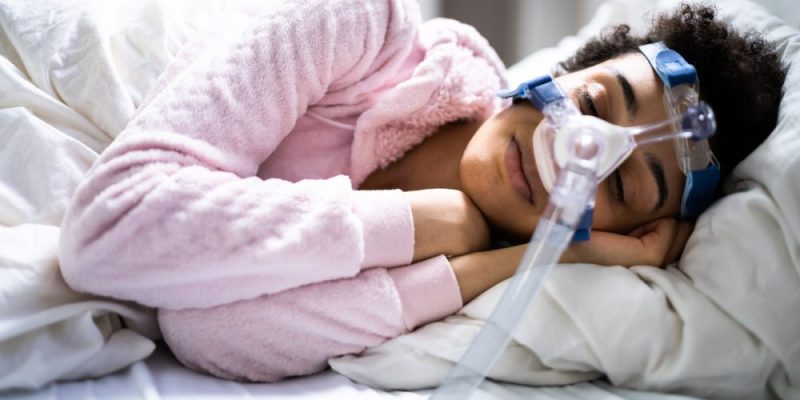
Sleep apnea is a serious sleep disorder where your breathing stops and starts repeatedly during the night. Seeking proper sleep apnea treatment is essential to manage symptoms and prevent complications. These pauses can last from 10 seconds to over a minute, and severe cases may happen 30 times or more in an hour. This disruption prevents your body from getting enough oxygen, which can lead to many health problems.
People with mild sleep apnea may experience 5–15 interruptions per hour, moderate cases 15–30, and severe cases more than 30. Imagine not getting oxygen for 30 seconds, 30 times an hour—that’s roughly two hours of oxygen loss in an eight-hour sleep. Each time your breathing stops, your brain briefly wakes you to resume breathing, disturbing your sleep.
At our Miami Beach dental office, we focus on overall health, including airway evaluation and advanced sleep apnea treatments. Our goal is to help you sleep well and improve your quality of life.
9 Unusual Symptoms of Sleep Apnea
While loud snoring, daytime sleepiness, and morning headaches are common signs, there are other lesser-known symptoms:
- Bad Dreams or No Dreams: Sleep apnea can disturb REM sleep, leading to vivid nightmares or no dreams at all.
- Difficulty Focusing: Poor sleep causes brain fog, making it hard to concentrate.
- Frequent Nighttime Urination: Known as nocturia, sleep apnea may cause multiple bathroom trips at night.
- Sleepwalking, Talking, or Eating: Disrupted sleep can trigger unusual nighttime behaviors called parasomnia.
- Sleep Paralysis: Waking frequently may cause moments when you can’t move or speak between sleep stages.
- Dry Mouth or Drooling: Mouth breathing during sleep can cause these issues.
- Night Sweats: Sleep apnea may lead to excessive sweating due to low oxygen and body temperature changes.
- Throat Pain: Loud snoring can result in a sore, dry throat in the morning.
- Mood Swings and Irritability: Frequent awakenings cause fatigue, leading to sudden mood changes during the day.
Treatment: Oral Appliance Therapy
CPAP therapy is commonly used to treat sleep apnea, but it isn’t comfortable for everyone. For those who struggle with CPAP, Oral Appliance Therapy can be a great alternative.
A custom-made oral device, also called a mandibular advancement device, gently moves the lower jaw and tongue forward. This keeps the airway open, reduces snoring, and prevents breathing pauses. Unlike CPAP, it’s small, portable, and silent.
Benefits of Oral Appliance Therapy:
- Comfortable and easy to wear
- Improves sleep quality by reducing breathing interruptions
- Portable and ideal for travel
- No noise or mask discomfort
- Effective for mild to moderate sleep apnea, and sometimes used with CPAP for severe cases
Getting Started
A dentist trained in sleep medicine will evaluate your condition and determine if oral appliance therapy is suitable. Impressions of your teeth are taken to create a custom-fitted device. Follow-up visits ensure it fits well and works effectively.
Oral appliance therapy is a non-invasive, convenient, and long-term solution for many people with sleep apnea. If CPAP isn’t right for you or you want a more comfortable option, consult a sleep dentist to see if this treatment is suitable.


Comments