
 By
By 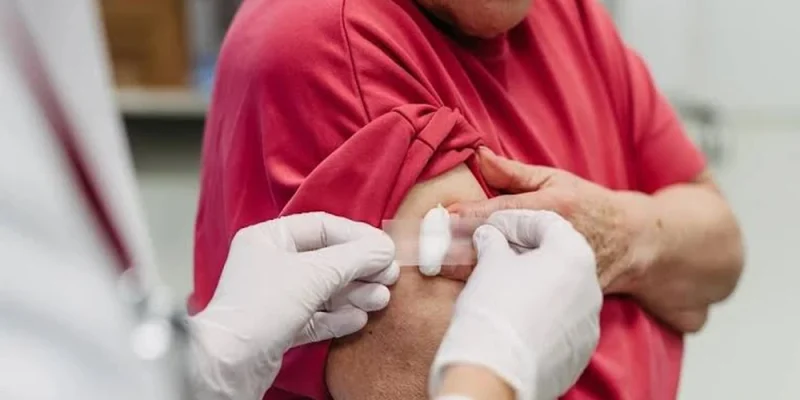
Shingles is more than a temporary skin rash. Also known as herpes zoster, it is a painful condition caused by the reactivation of the varicella-zoster virus-the same virus responsible for chickenpox. After a person recovers from chickenpox, the virus can remain dormant in the body and reactivate years or even decades later. World Health Organization+1
The risk generally increases with age, and people with weakened immune systems may be more vulnerable to shingles and its complications. Vaccination can help reduce this risk, making it an important preventive-health topic for many Filipino adults.
If you are wondering whether you may benefit from a shingles vaccine, understanding who is generally considered a candidate and why is a useful first step.
What Is Shingles and Why Does It Matter?
Shingles typically causes a painful, blistering rash that develops on one side of the body or face. Before or alongside the rash, some people experience burning, tingling, itching, or sensitivity in the affected area.
Although the rash eventually heals in many people, shingles can sometimes lead to longer-lasting problems. One of the most common complications is postherpetic neuralgia (PHN), a form of nerve pain that can continue for months or even years after the rash has disappeared. Other complications can include eye problems when the disease affects the area around the eye. World Health Organization
This is one reason prevention becomes increasingly relevant as people get older.
Who Should Consider a Shingles Vaccine?
Eligibility can depend on age, immune status, medical history, and the recommendations applicable in the country where you receive care. International guidance provides a useful reference point, but Filipino patients should discuss vaccination with a qualified healthcare professional who can consider their individual circumstances.
Adults aged 50 and older
Age is one of the most important risk factors for shingles. The World Health Organization notes that shingles is more common among adults over 50, with risk increasing as the immune system’s ability to control the dormant virus declines. World Health Organization
For example, current U.S. CDC guidance recommends two doses of recombinant zoster vaccine for adults aged 50 and older. The doses are generally administered two to six months apart. CDC+1
This does not mean every country’s vaccination policy is identical. Rather, it demonstrates why adults in this age group should ask their doctor whether vaccination is appropriate for them.
Adults with weakened immune systems
Some younger adults may also face an increased risk because of conditions or treatments that weaken the immune system.
CDC guidance recommends recombinant zoster vaccination for adults aged 19 and older who are, or are expected to become, immunocompromised because of a disease or medical therapy. CDC
Examples can include people receiving certain immunosuppressive treatments or living with conditions that affect immune function. The appropriate timing of vaccination may be particularly important for these patients, so it should be discussed with the treating physician.
What If You Have Had Shingles Before?
Having shingles once does not necessarily mean you cannot experience it again. Current CDC guidance recommends vaccination for eligible adults even if they have previously had shingles. CDC+1
If you have had shingles in the past, tell your healthcare provider when discussing vaccination. Your medical history can help determine the appropriate timing and vaccination plan.
Is the Vaccine Only for People Who Feel Healthy?
Not necessarily. Having a chronic medical condition does not automatically mean a person should avoid vaccination.
In fact, WHO’s 2025 position paper discusses recombinant herpes zoster vaccination for older adults and people with chronic conditions, while emphasizing that countries should consider their own public-health circumstances and cost-effectiveness when developing vaccination policies. World Health Organization+1
Because individual circumstances vary, people with chronic conditions should not assume that vaccination is either automatically appropriate or inappropriate. A healthcare professional can review the person’s medications, medical history, allergies, and current health status.
What Is the Zoster Vaccine?
The term zoster vaccine refers to vaccination intended to prevent herpes zoster, commonly called shingles.
One commonly used recombinant zoster vaccine is Shingrix. Under current CDC recommendations, it is administered as a two-dose series for eligible adults. CDC
The vaccine is designed to reduce the likelihood of developing shingles and its complications. WHO also recognizes vaccination as an important prevention strategy and recommends that countries consider recombinant zoster vaccination for older adults and people with chronic conditions where appropriate. World Health Organization+1
Does Getting Vaccinated Guarantee You Won’t Get Shingles?
No vaccine provides an absolute guarantee.
However, vaccination can substantially reduce the risk of shingles and related complications. CDC data indicate that recombinant zoster vaccination has demonstrated more than 90% effectiveness against shingles and postherpetic neuralgia in adults aged 50 and older with healthy immune systems. CDC
Individual protection can vary depending on factors such as age and immune status.
Where Can Filipinos Get More Information?
People researching the shingles vaccine in the Philippines should consider speaking with a physician or vaccination provider before arranging vaccination. A healthcare professional can determine whether vaccination is appropriate and explain the recommended schedule based on the patient’s circumstances.
For people searching online for zoster vaccine philippines information, it is also important to distinguish general international recommendations from advice specifically appropriate to an individual patient. Vaccine availability, pricing, eligibility policies, and recommended schedules can change, so patients should confirm current details with a qualified provider.
Questions to Ask Before Getting Vaccinated
Before receiving a shingles vaccine, you may want to ask your healthcare provider:
- Am I currently eligible for shingles vaccination?
- How many doses do I need?
- When should my second dose be given?
- Does my medical history affect vaccination?
- Do any of my current medications affect the timing?
- What side effects should I expect?
- Is the vaccine available at the clinic or vaccination center?
- What is the current vaccination cost?
These questions can make a consultation more productive and help you understand what to expect.
Taking a Preventive Approach to Shingles
Shingles can affect people who otherwise consider themselves healthy, particularly as they get older. Because the risk and potential complications increase with age and immune suppression, vaccination is an important preventive-health discussion for eligible adults.
Rather than waiting until symptoms appear, adults can discuss their personal risk with a healthcare professional and determine whether vaccination fits their medical needs. For Filipino patients, platforms such as Nowserving can also make it easier to look for healthcare professionals and arrange consultations when seeking personalized medical advice.








Comments