
 By
By 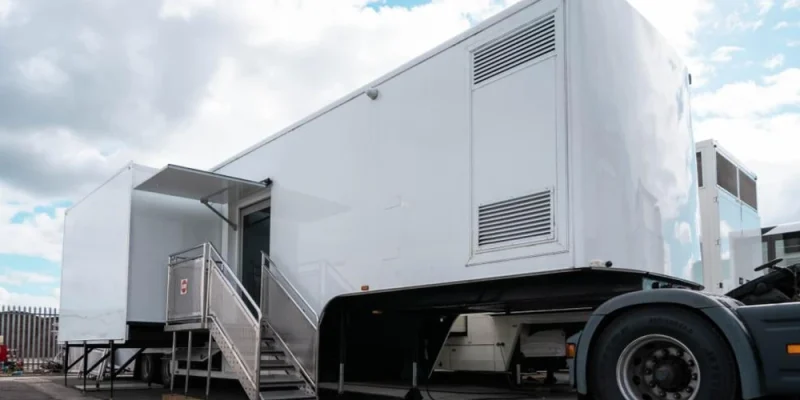
Mobile healthcare is changing the way medical services are delivered by bringing care directly to communities instead of relying only on hospitals and permanent clinics. Mobile medical units now serve rural areas, schools, workplaces, disaster response sites, and community events, making healthcare more accessible to a wider population. To maximize the benefits of mobile healthcare, careful planning and efficient operations are essential. The following practical tips can help healthcare providers deliver safe, reliable, and effective services through mobile healthcare programs.
As these programs expand, their impact on patient outcomes and traditional medical models is growing significantly, with mobile Healthcare Quietly Changing Where Care Guide lines and protocols adapt to meet patients where they live. By shifting the focus away from traditional brick-and-mortar facilities, these initiatives create flexible pathways for preventive check-ups, chronic disease management, and urgent interventions. Integrating mobile units into a broader network allows health systems to bridge service gaps effectively while building stronger relationships within underserved neighborhoods.
Identify Community Healthcare Needs
Successful mobile healthcare programs begin with understanding the needs of the population being served. Conducting community assessments helps determine which medical services will provide the greatest benefit.
Healthcare organizations should consider:
- Common local health concerns
- Population size
- Accessibility challenges
- Age groups served
- Available healthcare resources
Understanding these factors allows providers to plan services more effectively.
Choose Suitable Service Locations
Selecting convenient and safe locations improves patient access while supporting efficient daily operations. Mobile healthcare units should be positioned where patients can easily reach them without creating traffic or safety concerns.
Schools, community centers, workplaces, and public gathering areas often provide practical locations for temporary healthcare services.
Keep Medical Equipment Ready
Before each deployment, medical equipment should be inspected, cleaned, and tested to ensure it is fully operational. Diagnostic devices, examination tools, emergency supplies, and medications should be organized for quick access.
Routine equipment checks reduce the likelihood of interruptions during patient care.
Train Healthcare Teams
Healthcare professionals working in mobile environments should receive training on equipment operation, emergency procedures, infection control, and patient management within limited spaces.
Well-trained teams can adapt more easily to changing situations while maintaining consistent standards of care.
Maintain a Comfortable Clinical Environment
A clean and organized workspace improves both patient comfort and staff efficiency. Proper lighting, ventilation, climate control, and clearly arranged examination areas help create a welcoming environment for medical consultations.
Maintaining cleanliness also supports infection prevention and professional healthcare delivery.
Establish Efficient Scheduling
Well-planned appointment systems help reduce waiting times while improving patient flow throughout the day. Scheduling healthcare services according to community demand allows providers to serve more patients efficiently.
Flexible scheduling also makes it easier to respond to seasonal healthcare programs or emergency deployments.
Monitor Operational Performance
Evaluating each deployment helps healthcare organizations improve future services. Tracking patient numbers, equipment performance, staff feedback, and operational efficiency provides valuable information for future planning.
Regular performance reviews encourage continuous improvement and better service delivery.
Prepare for Future Growth
Healthcare needs continue to evolve, making flexibility an important consideration for mobile healthcare programs. Planning for future technology upgrades, expanded services, and additional medical equipment helps ensure long-term success.
An adaptable approach allows organizations to continue meeting changing community healthcare needs effectively.






Comments